Moinsen
Ich glaube es ist mal an der Zeit was �ber FOSDEM zu schreiben. Hab sie dieses Jahr auch wieder zusammen mit ein Paar Kollegen aus dem
C3L besucht.
Was f�llt einem zur FOSDEM ein? Ich
assoziere diese Konferenz mit Open Source, Software, Beer Event und ner menge
Merchandize. Und genau das hab ich bekommen.
Doch erst mal von Anfang an! Von Luxemburg bis nach Br�ssel braucht man zirka 3 Stunden mit dem Zug. Ein Zug der meistens schon �berf�llt ist und man als Gruppe nur noch schwerlich ne Sitzreihe bekommt. Freundlicherweise trafen wir auf eine Landesgenossin die uns freundlicherweise den Platz r�umte. Klasse. Somit standen 3 Stunden Zugfahrt vor uns in nem passablen Zug f�r Belgische Verh�tlnisse.
Angekommen auf dem Bahnhof wurden wir Pennern begr�sst. Keine Jahreszeit in der Ich auf der Strasse leben m�chte. Es ging weiter zum Hotel das nur 3 Minuten entfernt liegt. 4 Sterne. Irgendwo muss man sein Geld ja ausgeben ;)
Kingsize Bett wurde sofort unter der Gruppe eingeteilt. Soviel sei gesagt, ich hatte einen Teil vom Bett.
Was macht man also nun am Vortag der FOSDEM? Genau, Beer Event! Eines der wenigen Dinge auf die man sich freuen kann wenn FOSDEM ist. Nach einigem herumirren in Br�ssel fanden wir die v�llig �berlaufene Gasse zur Wirtschaft. Dank unseres
Dresscodes kamen wir jedoch schnell da rein :D
War ne bunte Truppe da. Jedoch auch ziemlich �berf�llt. Wenigstens das Bier schmeckte. Ein zwei Pints sp�ter waren wir dann auch wieder aufm Weg Richtung Hotel. Denn aus irgendeinem Grund fangen auf der FOSDEM Vortr�ge manchmal echt brutal fr�h morgens an. Nicht so Hackerfreundlich.
Morgens. 10 Uhr. Mein Bettnachbar dachte es sei eine gute Idee jetzt mal duschen zu gehen. Scheiss Fr�haufsteher. Doch ich wurde durch ein grandioses Fr�hst�ck getr�stet. Omelette, Bohnen, Speck und W�rste. Da lacht der Magen doch morgens fr�h :)
Nun gings mit der Tram zur ULB. Einem ranzigen Unigeb�ude das mal dringend saniert werden m�sste. Aufm Weg dahin sind wir wohl auch unwissentlich schwarz gefahren. Tja, fuck the Police halt!
Angekommen gabs dann erstmals einen Rundgang da einer mitging der noch nie auffer FOSDEM war. Wir passierten also die St�nde von Mozilla, Debian, Summer Code, Perl usw. Doch zuerst blieben wir nat�rlich an dem Oreilly Buchstand stehen. Dieser zieht einen quasi magisch an! Hab mir auch dort das
Buch �ber NFC geholt. Dieses Buch hat mich dann auch durch die ersten Vortr�ge gebracht. Habs komplett durchgelesen gehabt. Da es in den S�len eh meistens (bis auf einige Ausnahmen) recht leer ist, st�rt sich auch keiner dran, wenn man sich dort lautstark �ber Bugs aufregt. Viel mehr blieb mir vom ersten Tag nicht mehr in Erinnerung. Achja doch, hier ist ein Foto von nem Bitcoin Automaten. Der Typ der das dort pr�sentiert hat, tat dies auch auf der
hack.lu letztes Jahr!

Am zweiten Tag gabs wieder keine gescheiten Vortr�ge und so hab ich weiter an meinem FTP server gebastelt. (Passive Mode ist echt ne scheisse). Abends gings dann wenigstens sch�n Essen. Reserviert war f�r halb 8. Dort angekommen sind wir glaub ich um halb 9. Und warum? Weil wir wieder mal kein kack Taxi bekamen an dieser verfluchten UNI -.-" So gingen wir drei Vagabunden also durch Br�ssel. Es war scheisse kalt und meine Schuhe hatten auch schon den Zenit �berschritten. Ertragen konnten wir den Weg nur durch einige
Volkslieder . Irgendwann konnten wir dann doch noch ein Taxi herbeirufen. Wurde auch Zeit sonst w�re die Moral der Truppe auch abrupt gefallen ;)
Nach dem leckeren Essen gings dann auf die Afterparty in den
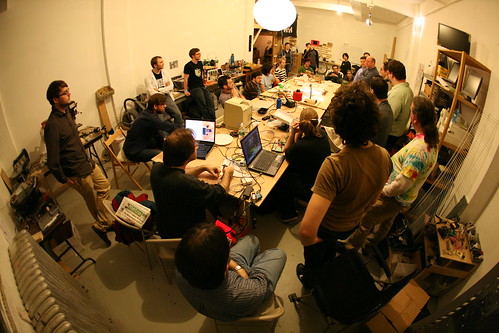
Br�sseler Hackerspace! Der Space dort ist echt klasse. Gut eingeteilt. Unten war die Bar mit der Werkbank und nem mini Garten (inklusive nem selfmade Pool). Aufm ersten Stock gabs die K�che und das Hackcenter. Dann auf dem zweiten Stock gabs den Chillroom. Mit Beamer und Couches. Leider total �berf�llt. Doch ich hatte dort meine erste 1337 MATE! Endlich!!!111

Schmeckte dann doch leider nicht so gut wie erhofft. Hatte nen komische s�sslichen Abgang. Klarer Favorit unter den Mate Getr�nken bleibt also Florapower :)
Jooo... da der Hackerspace total �berf�llt war konnte wir unsere Laptops auch nicht auspacken. Deshalb fanden wir uns schnell vor der T�r wieder. (Wo es dann sozialer herging). Man konnte mal mit den Typen dort quatschen. Wir trafen auf 2 Deutsche die jedoch ihre Sprache nicht m�gen und lieber Englisch mit uns reden wollte. Naja mir egal. Einer von den zwei war auch schon gut dabei mit dem Alk. Wollte zuerst nen Faustkampf (ja der sagte Fistfight^^) mit jemanden und p�belte dann die Einheimische an die gerade vor der T�r parken wollten. Der gute Br�sseler verstand aber kein Englisch. Also musste unsere Gruppe mit breitem Luxemburgischen Akzent den Typen auf Franz�sisch bequatschen. Ist echt keine so clevere Idee vor nem Haus voller Hacker zu parken ;) Der Typ verstand dies auch und machte sich weg. Wir sprachen als noch das ein oder andere mit den zwei Deutschen und machten uns dann gegen Mitternacht auf den Heimweg ins Hotel.
Der letzte Tag war echt kurz. Morgens kurz vor 12 kamen wir glaub ich auf der FOSDEM an. Blieben dann bis zirka 5 oder so um dann wieder mit dem Taxi zur�ck zu fahren um den Zug zu erwischen. Ach da war noch diese #NoHomo Demo oder so. (kleine Insider hier *gnihi*).
Im Zug kam es dann wie es kamen musste. Kein Platz f�r 3 Hacker. Wir standen also da dumm im Flur herum als die Durchsage kam, dass man auf sein Gep�ck aufpassen soll, weil Taschendiebe im Zug unterwegs seien. Tolle Info. Sowas will man in nem �berf�llten Zug h�ren. Beim ersten Halt ging es dann Leeroy-Jenkins Style nach vorne um wenigstens die letzten Stationen sitzend zu verbringen.
Tja dies war die FOSDEM 2014.
TL;DR
War eigentlich wie ich es mir erwartet habe. Schn�de Vortr�ge doch ne Menge Zeit zum coden, Server fixxen und so weiter.
MfG
virii


 Come to the syn2cat hackerspace to socialise, to learn and to attend the workshops you can find on our projects page: Soldering Marble adder Microcontroller programming Retrogaming Home Automation Workshops calendar will be available soon, please contact us to share your interest or come to Level2 on Tuesday evening from 20:00.